
How to Maintain Your Stove Flue for Maximum Efficiency
- RHINO

- Aug 21, 2025
- 2 min read
Updated: Aug 26, 2025
A wood burning stove is one of the most efficient and cost-effective ways to heat your home, but it can only perform at its best if the flue system is properly maintained. Neglecting your stove flue can lead to poor performance, higher fuel costs, and even dangerous situations such as chimney fires or carbon monoxide leaks. At Rhino Flues, we supply durable flue pipes and liners designed for long-term reliability — but even the best system needs care. Here’s how to maintain your stove flue for maximum efficiency.
Regular Sweeping is Essential
Over time, soot, ash, and creosote (a tar-like substance) can build up inside your flue. This not only reduces airflow, making your stove less efficient, but also creates a fire hazard. To prevent this, your stove flue should be swept at least once a year, though twice is recommended if you use your stove heavily during winter. Always use a certified chimney sweep for best results.

Inspect for Wear and Tear
Flue pipes and liners are designed to last, but they can deteriorate over time due to heat and condensation. Stainless steel liners, in particular, should be checked for corrosion. Look for cracks, rust, or damage in your system, and replace parts immediately if needed. Rhino Flues offers a wide range of replacement pipes and liners, ensuring you can maintain a safe, efficient setup.
Burn the Right Fuel
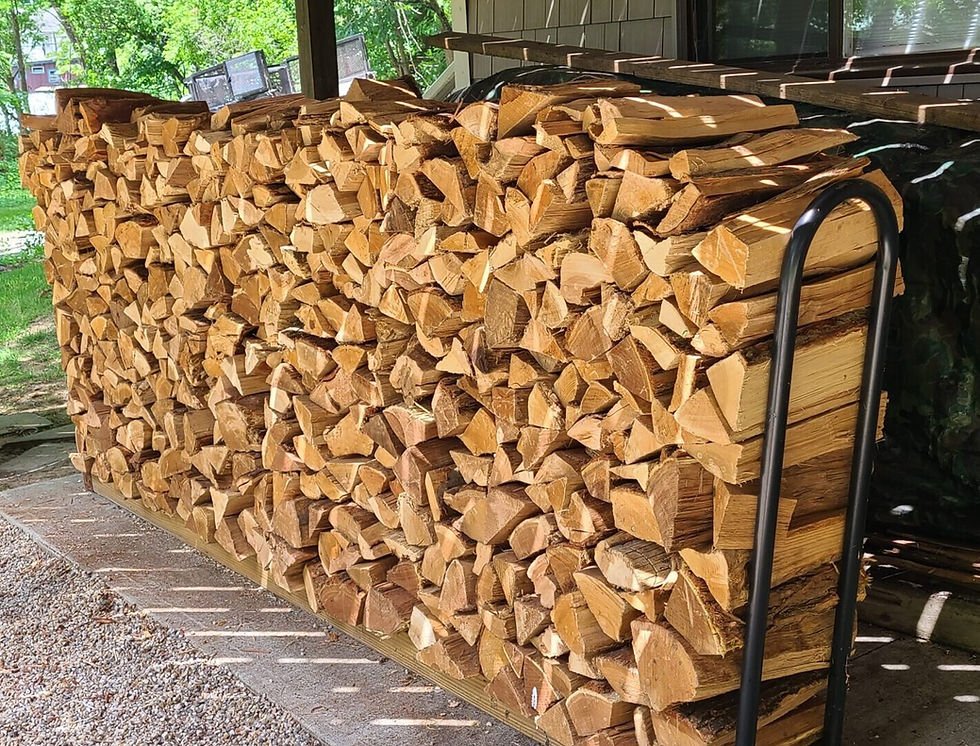
The type of wood you burn affects your flue’s condition. Seasoned hardwood is the best choice, as it burns hotter and cleaner. Wet or softwood creates more smoke and tar, which can quickly block your flue. Investing in good-quality logs will extend the life of your stove and flue.
Ensure Proper Ventilation
Blocked or restricted airflow can reduce draft and make it harder for smoke to exit the flue. Keep air vents clear and ensure your stove is properly ventilated. This not only improves efficiency but also reduces the chance of harmful gases entering your home.
Conclusion
Maintaining your stove flue is vital for efficiency, safety, and long-term performance. Regular sweeping, burning the right fuel, and inspecting for damage all play an important role. At Rhino Flues, we supply high-quality liners and flue pipes to ensure your stove continues to operate safely and efficiently for years to come.


Comments